

The complete guide
How to Choose an Indoor Security Camera That Actually Earns Its Spot
The problem with watching one corner of a room
Most people buy their first indoor camera in a hurry. Something happened, or almost happened, and suddenly a camera seems obvious. So they grab a cheap fixed lens model, stick it on a shelf, open the app a week later and discover it is pointing at a blank wall and half a sofa.
That is the real limitation of a fixed camera. It does not see what it is not aimed at. Pets move. Toddlers move. The thing you actually want to check is nearly always just outside the frame. You end up buying a second camera for the same room, which is a strange way to solve a problem you could have avoided.
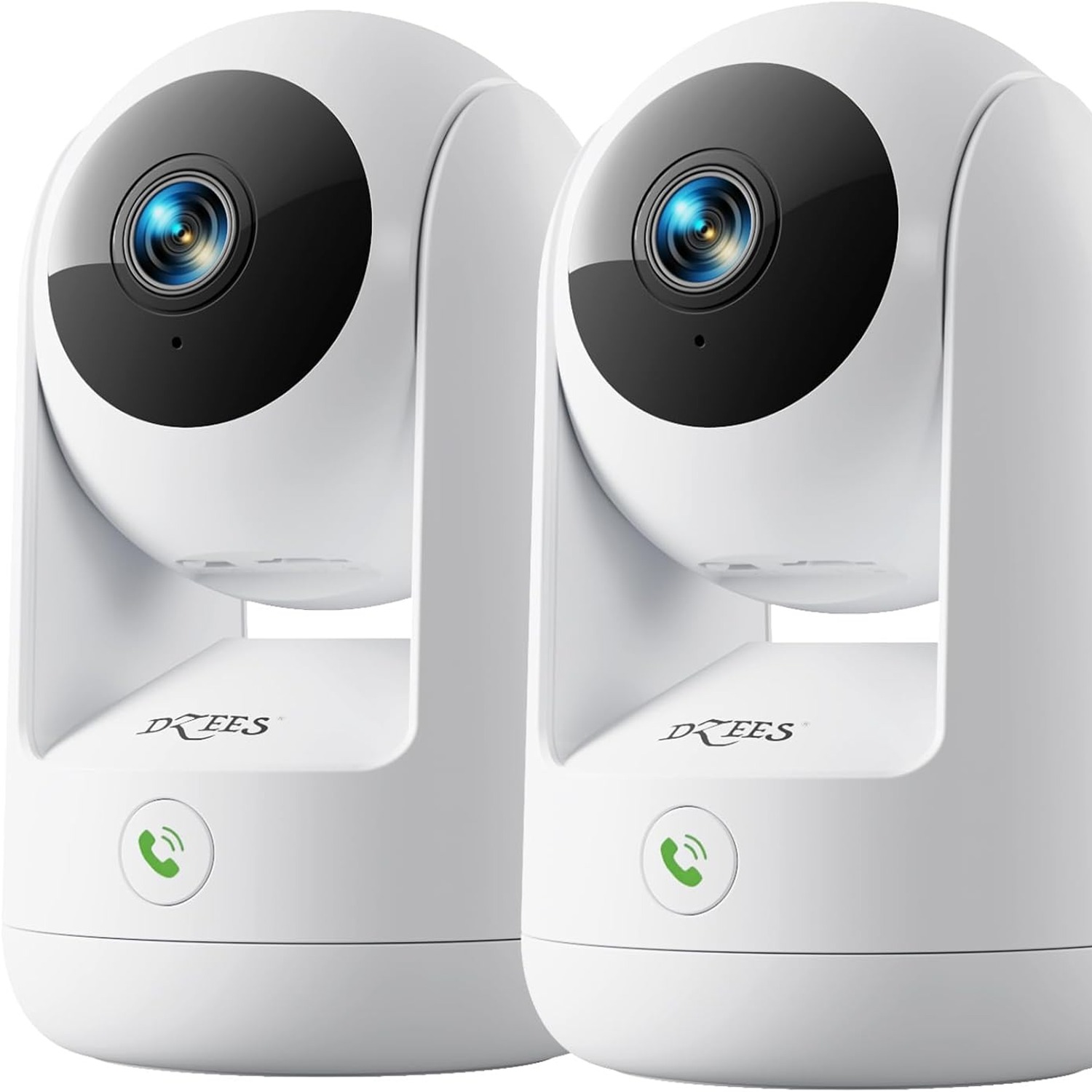
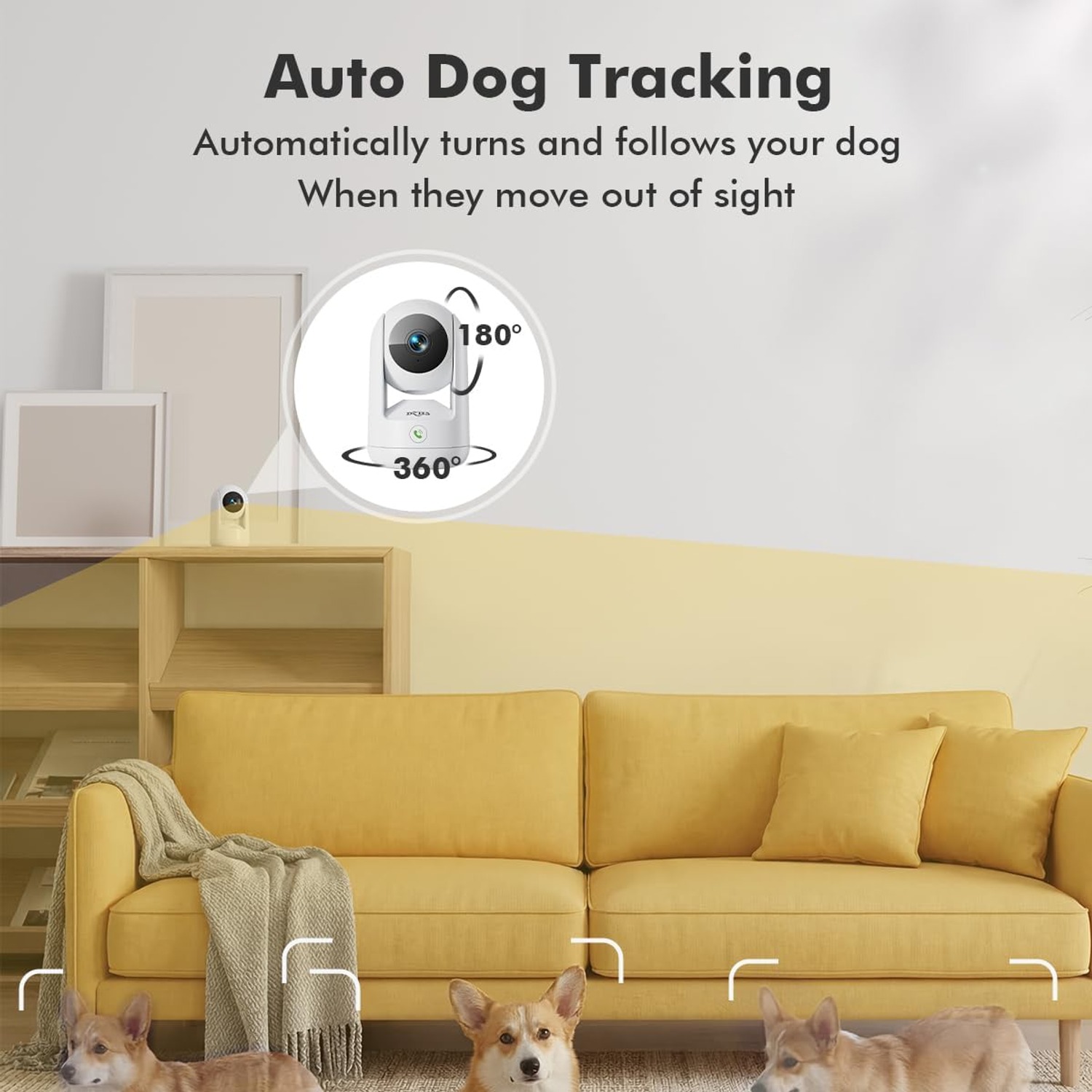
A pan and tilt camera takes a different approach. The lens sits on a motorised head, and the head turns. The Dzees CA49 swings through a full 360 degrees and tilts as well, so from your phone you can sweep across the room, settle on the spot that matters, and go back to what you were doing. One camera, one plug, whole room.
How a pan and tilt camera works
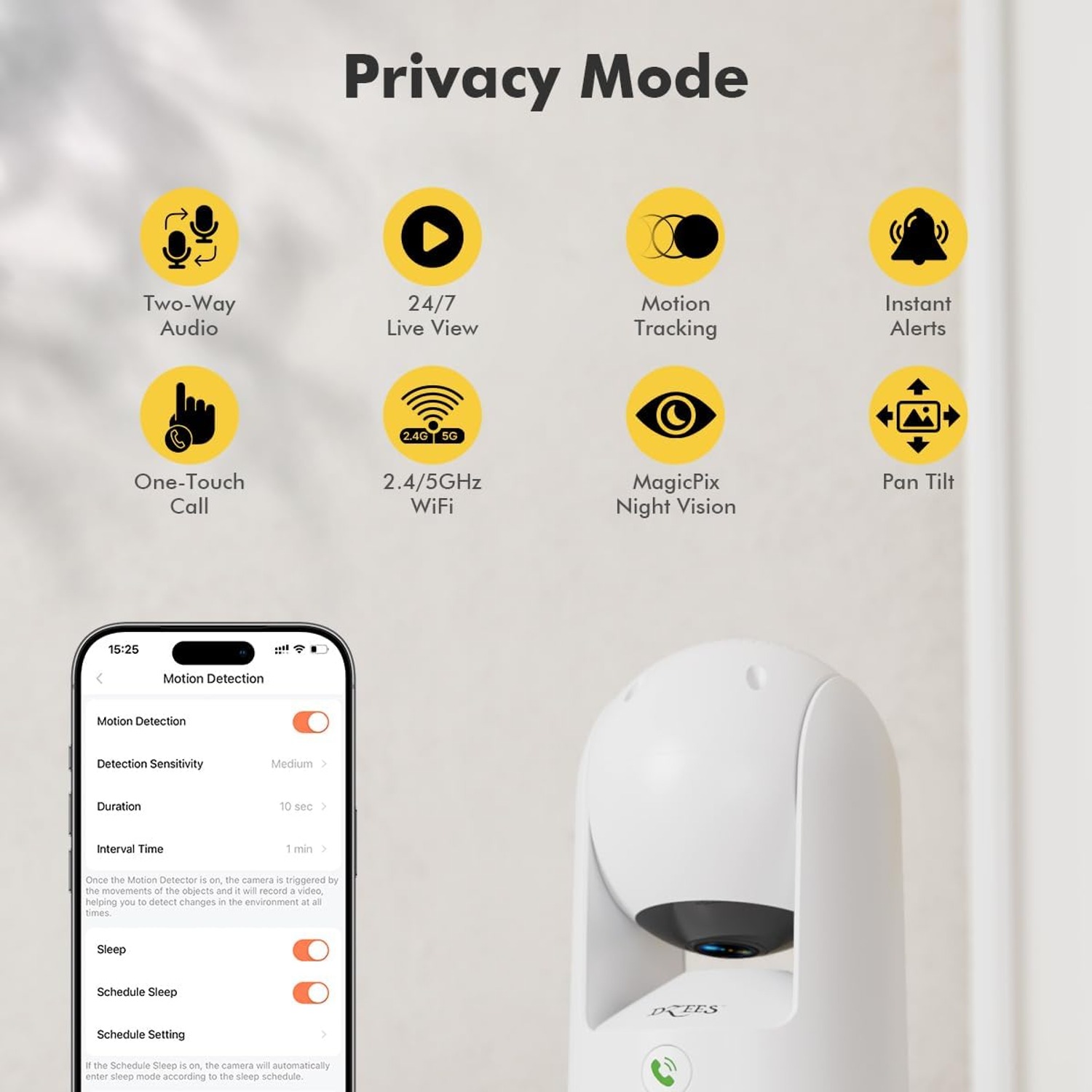
The mechanics are simple. Two small motors sit under the lens housing. One rotates the whole head horizontally, the other tips the lens up and down. When you drag your finger across the live view in the app, those motors respond. It feels a bit like steering a very polite robot.
The optics behind it on this model are a 3 MP CMOS sensor recording 1080p video in MP4 at 15 frames per second. Optical zoom lets you move in closer on part of the scene without the blocky mush you get from digital cropping. Fifteen frames per second sounds low next to a phone camera, but for monitoring a room it is plenty. You are watching for a dog on the sofa or a door opening, not filming a sports match, and the lower frame rate keeps bandwidth and file sizes sensible.
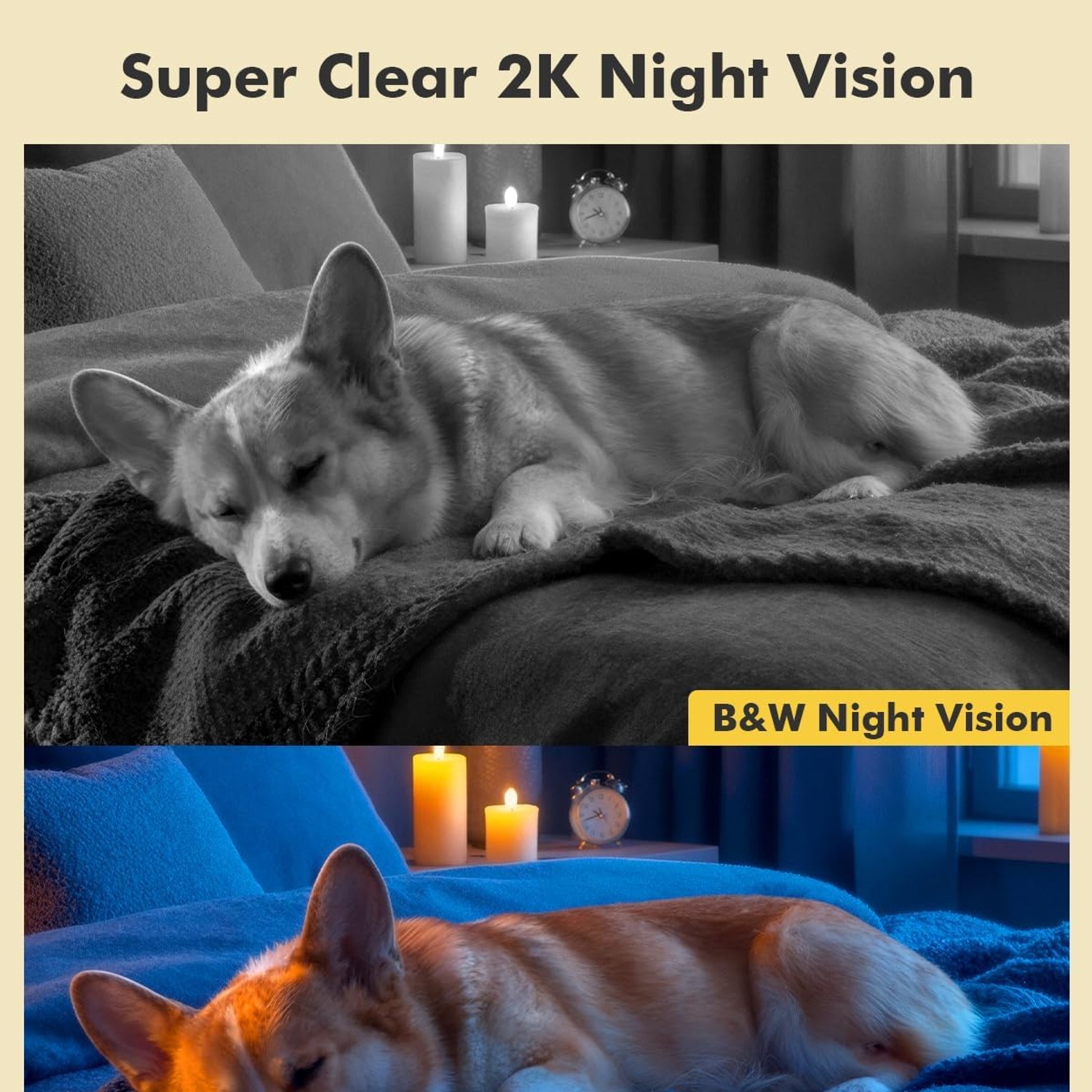
Night coverage is handled by a night colour mode with a stated range of 50 feet. Colour night vision generally reads better than plain black and white infrared, because clothing colours and object shapes are easier to recognise. Fifty feet is more than most indoor spaces need, so a hallway or an open plan living area should be well inside range.
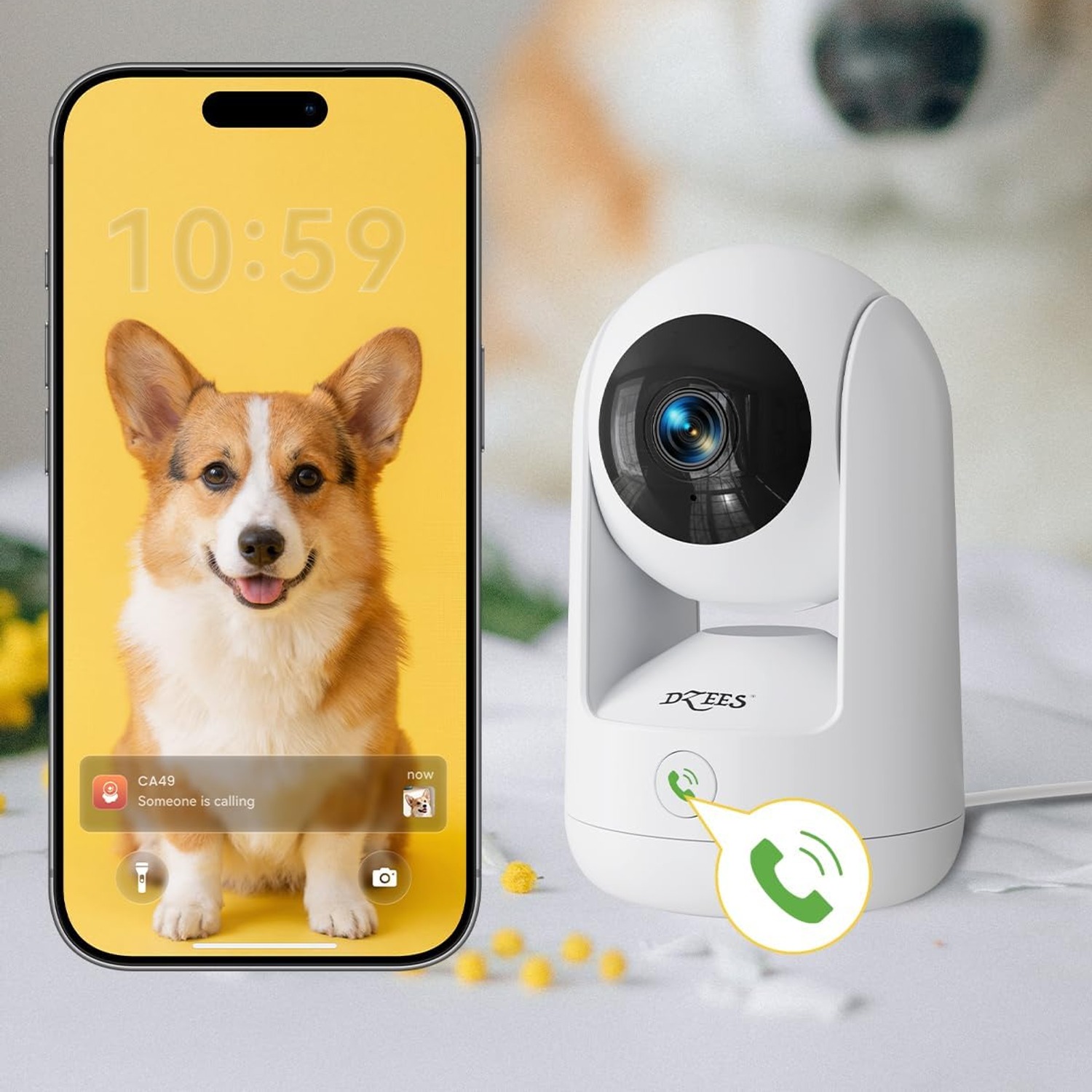
Two way audio rounds it off. There is a microphone and a speaker inside the housing, which means you can both listen and talk. In practice that is the feature people use most after the first week. It is how you tell a barking dog to settle, warn a teenager you can see them, or shout a question at someone in the next room without getting up.
Why dual band WiFi matters more than the spec sheet suggests
A lot of camera buying decisions come down to where the thing can physically live, and that is usually decided by signal strength.
The 2.4G band is slower but travels further and punches through plaster and brick better. The 5G band is faster and less congested, but it fades quickly with distance and walls. A camera locked to one band forces your hand. A 2K indoor camera dual band WiFi setup lets you choose, which means the camera goes where you want it rather than where the router allows.
A practical approach: if the camera will sit in the same room as the router, or one wall away, start with 5G. If it is going upstairs, at the far end of the house, or behind a brick wall, use 2.4G. If the stream stutters, swap bands before you blame the camera.
This model also lists Bluetooth. On cameras like this, Bluetooth is usually the handshake that lets the app discover the device during setup, before Wi-Fi credentials are passed across. It makes the first five minutes less fiddly.
Who this camera suits
Pet households. This is the obvious one. If you have ever come home to a shredded cushion with no idea when it happened, the best indoor camera for pets is one that can actually follow the animal. The pan and tilt head plus two way audio makes it a genuinely useful 360 degree pet camera rather than a static webcam.
Parents. Nurseries and playrooms are good fits. A camera that can tilt down into a cot and then pan across to a toy corner covers more of the day than a fixed view.
People with older relatives at home. A camera in a main living room, with the ability to speak through it, can take the edge off worrying between visits.
Renters. Because it can sit on a shelf and runs on a mains cable, you do not have to drill anything. When you move, it comes with you.
Small businesses. A back office, a storeroom or a reception desk is well served by a single camera that can look in several directions.
Who it is not for: anyone needing outdoor coverage. This is listed as indoor use only, and putting it under an eave or on a patio will shorten its life. If you want a driveway or a garden covered, buy a camera built for weather.
How to choose and where to put it
Start with the question you are trying to answer. "Is the dog on the couch" needs a different placement from "did anyone come through the front door". Write the question down, then pick the spot that answers it.
Height helps. A camera at head height or above has a cleaner line across furniture, and a ceiling mount gives the pan head the best sweep of all. This model supports wall, ceiling and plain surface mounting, so you are not locked in. Start it on a shelf, live with it for a fortnight, then mount it properly once you know where it should live.
Watch what is behind the camera, too. Pointing it straight at a bright window will leave the room in front looking like a silhouette, especially in the afternoon. Angle across the window rather than into it.
Keep it out of the kitchen if you can. Cooking steam and grease settle on a lens and quietly fog the picture over months. A living room shelf facing the kitchen doorway gets you the same information with less maintenance.
And mind the cable. Power is corded electric, so there is no battery to flatten, but the cable needs to reach a socket without becoming a trip hazard or a chew toy.
Setting it up without the frustration
Do the setup in the room where the camera will eventually sit, not next to the router. That way you find out about signal problems before you have screwed anything to a wall.
Have your Wi-Fi password ready and know which band you are joining. Compatible devices are listed as iOS, so check your phone suits before you start. Once it is connected, spend ten minutes actually using the pan and tilt controls and setting up any preset angles the app offers. Presets save you a lot of dragging later, because you can jump straight to "the back door" or "the cot" with one tap.
Then test the audio from another room. People often skip this and only discover the speaker volume is wrong when they need it.
Keeping it working
Maintenance is light. Wipe the white ABS housing with a dry or barely damp cloth, and clean the lens with a dry microfibre cloth only. Skip the sprays and solvents entirely, because they can haze the lens coating. Unplug it before any cleaning.
Check the view every month or so. Cameras drift, furniture moves, and a Christmas tree in the wrong place can block a whole angle. A quick look through the app tells you whether the camera is still doing the job you bought it for.
If the picture gets grainier over time, clean the lens before assuming the camera is failing. Dust is nearly always the culprit.
The short version
This is a small white indoor camera with a motorised head that turns through 360 degrees, records 1080p MP4 video at 15 fps from a 3 MP CMOS sensor, has optical zoom, colour night vision to 50 feet, and two way audio. It connects over dual band Wi-Fi, lists iOS compatibility, and runs on mains power. It weighs 191 g, measures 11.7 x 7.2 x 11.6 cm, and mounts on a wall, a ceiling or a shelf.
If you want one camera to cover a whole room, speak to whoever is in it, and keep working after dark, it fits. If you need outdoor coverage or battery operation, look elsewhere. Storage media, warranty terms and country of origin are not specified by the maker, so confirm those details with us or the manufacturer if they affect your decision.