Camera Company
Company
Shop By Category
T&Cs
Shop Online
  • The maker's specifications on every page
  • Free tracked Australia-wide delivery over $150
  • 14-day returns

Camera Cleaning Kit 35 Piece | Dslr cleaning accessories | Lens cleaning kit

35-Piece Camera Cleaning Kit with Carry Case

$59.99 $71.99 Save $12
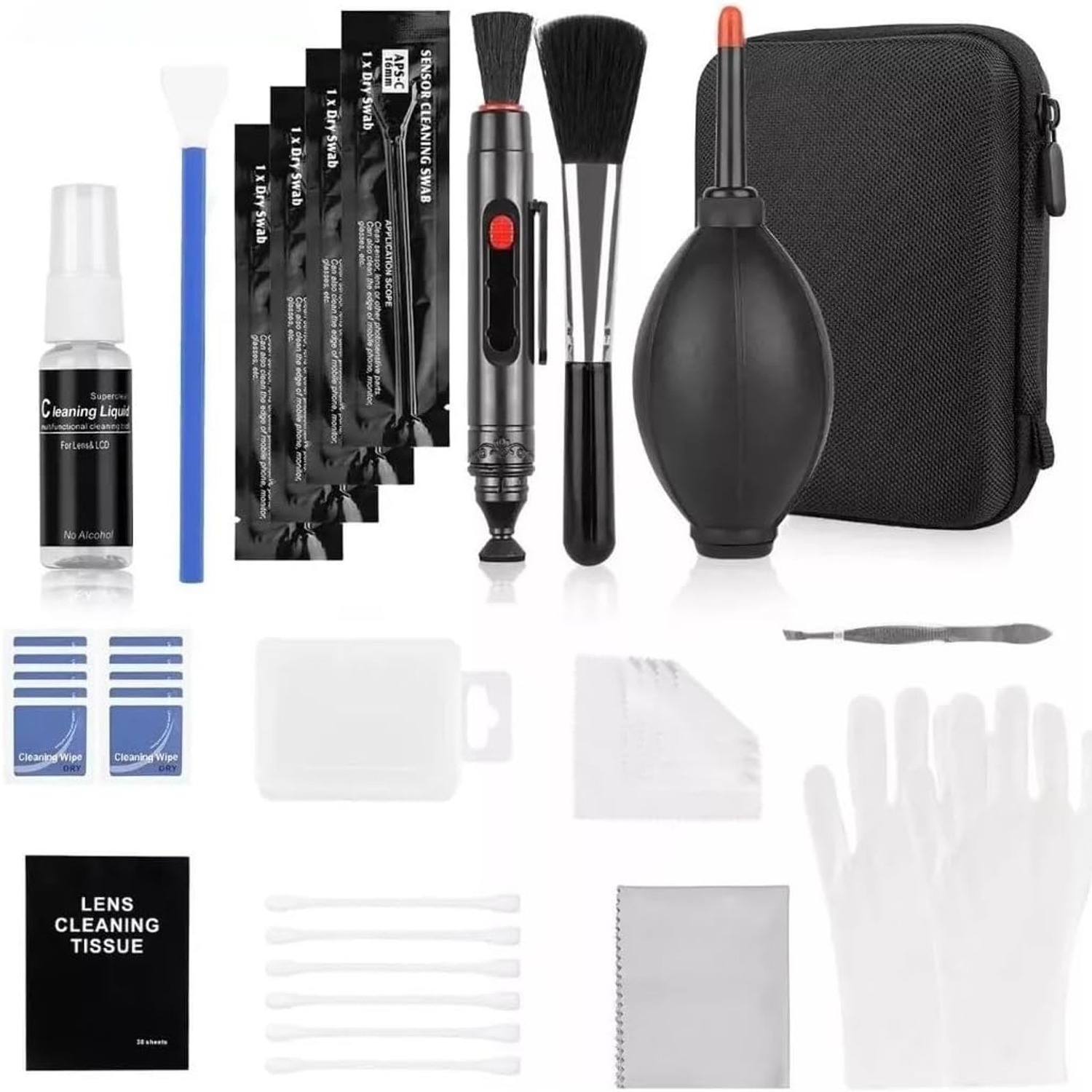
  • 35 Pieces Included
  • Soft Microfiber
  • Hard Carry Case
  • Anti-Static Gloves

Price: $59.99 $71.99

  • Free tracked Australia-wide delivery on orders $150+, otherwise a flat $15
  • Pay by card or PayPal, handled by the payment provider
  • 14 days to change your mind, plus your statutory rights
Product specifications
Pieces Included35
BrandAutoWT
ColourBlack
MaterialGlass and microfiber
Cleaning Solution Volume100 ml
GlovesAnti-static, 25 cm (10 in)
Screen Size Rating17.5 cm
Audio RecordingNo
Built-In MediaNo
Country of OriginChina
ConditionNew
Shipping & returns

Tracked delivery anywhere in Australia. It is free on orders of $150 or more, and a flat $15 below that.

If it is not right for you, send it back within 14 days of delivery in resaleable condition and we refund the price you paid, including standard delivery. That is a voluntary policy we offer on top of your legal rights. You cover the cost of returning it unless the item is faulty.

If it arrives faulty, damaged or not as described, we put it right at no cost to you under the Australian Consumer Law and the Competition and Consumer Act 2010, return postage included.

Shipping details · Refunds and returns

35 Pieces IncludedA full set of tools for lenses, bodies, screens and sensors in one box.
Soft MicrofiberLifts dust and fingerprints from glass without leaving scratches or streaks.
Hard Carry CaseClosed black case keeps every tool clean, sorted and ready for travel.
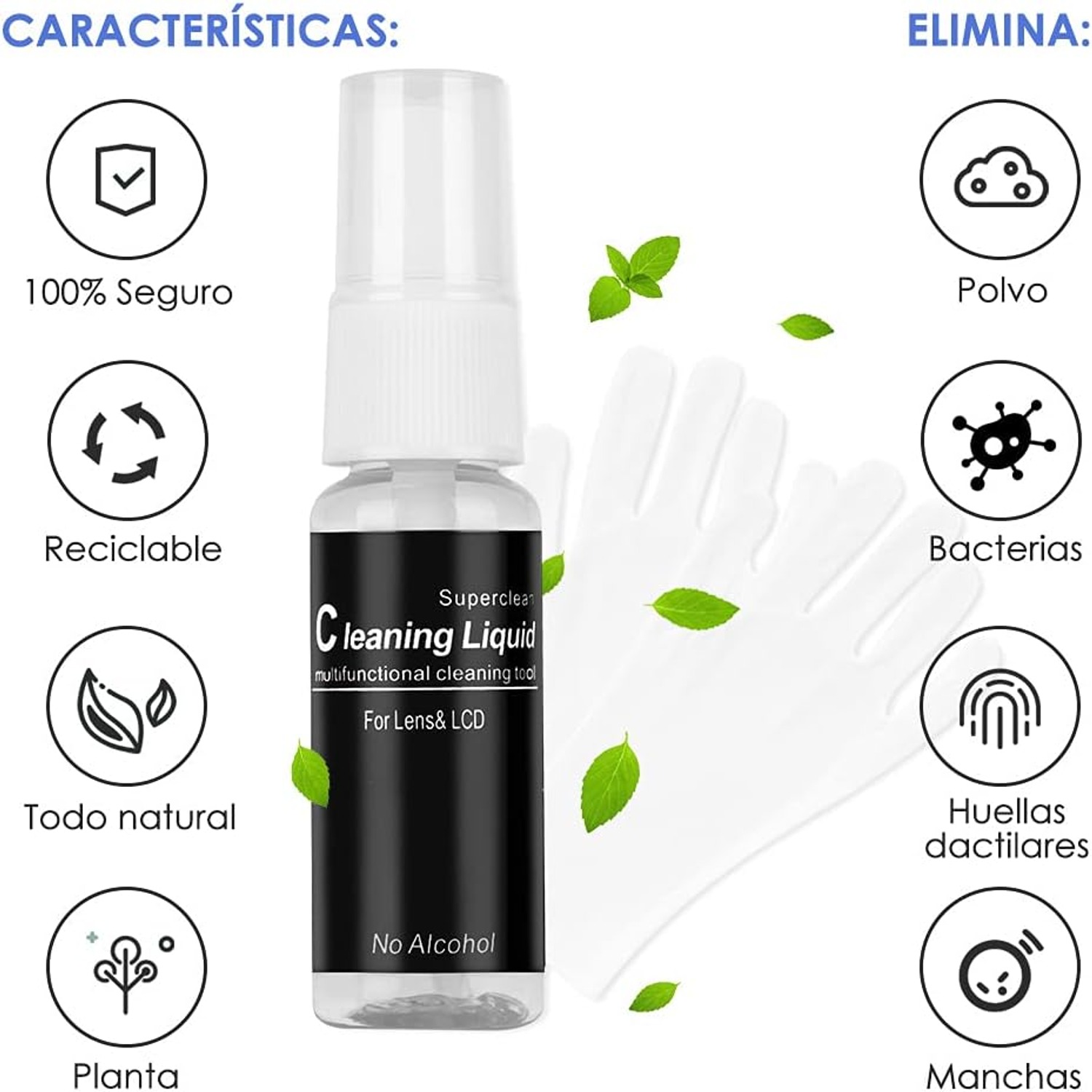
Anti-Static GlovesHandle gear without adding skin oils or fresh dust while you work.

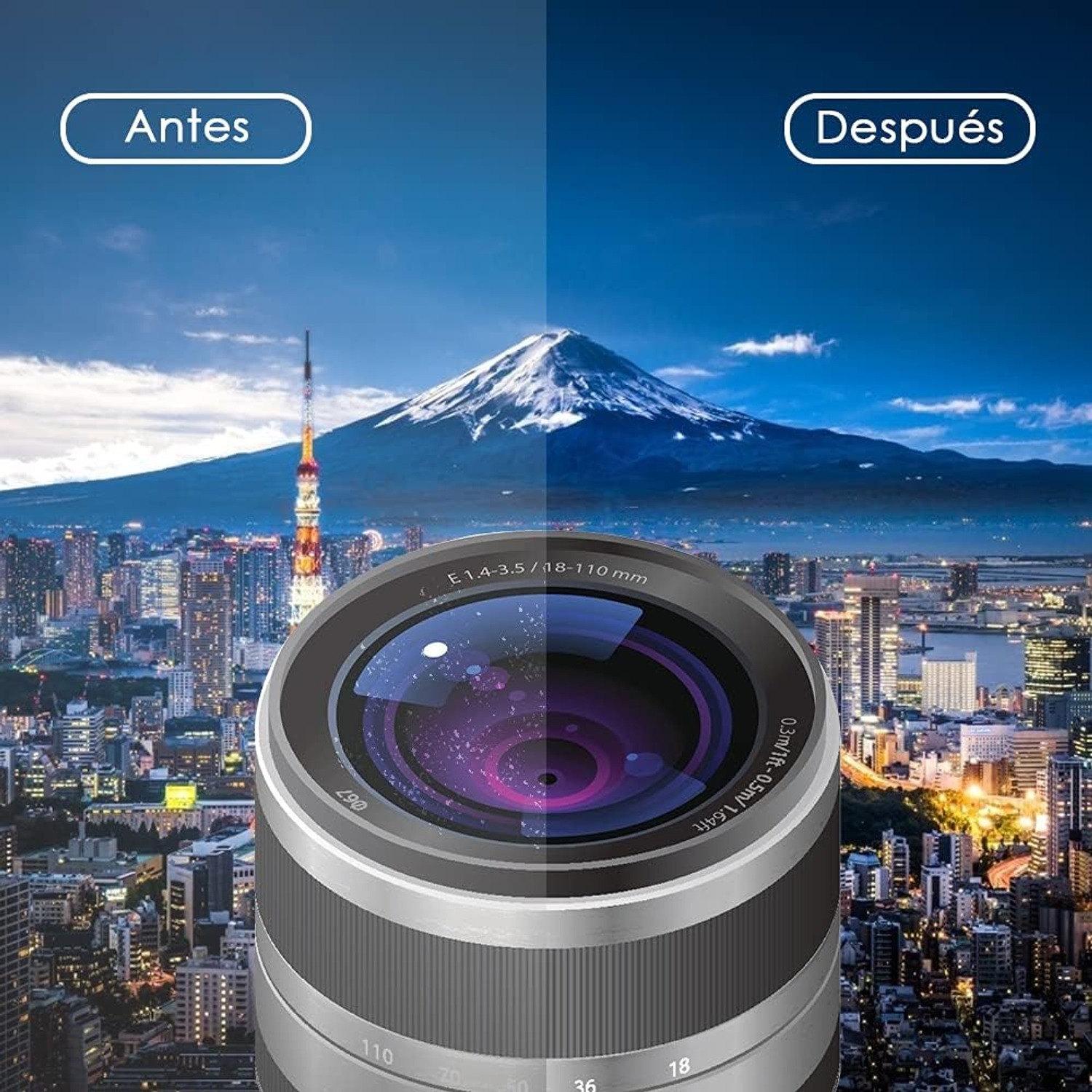
Keep every shot sharp with a camera cleaning kit that handles dust, smudges and fingerprints before they ever reach your photos.

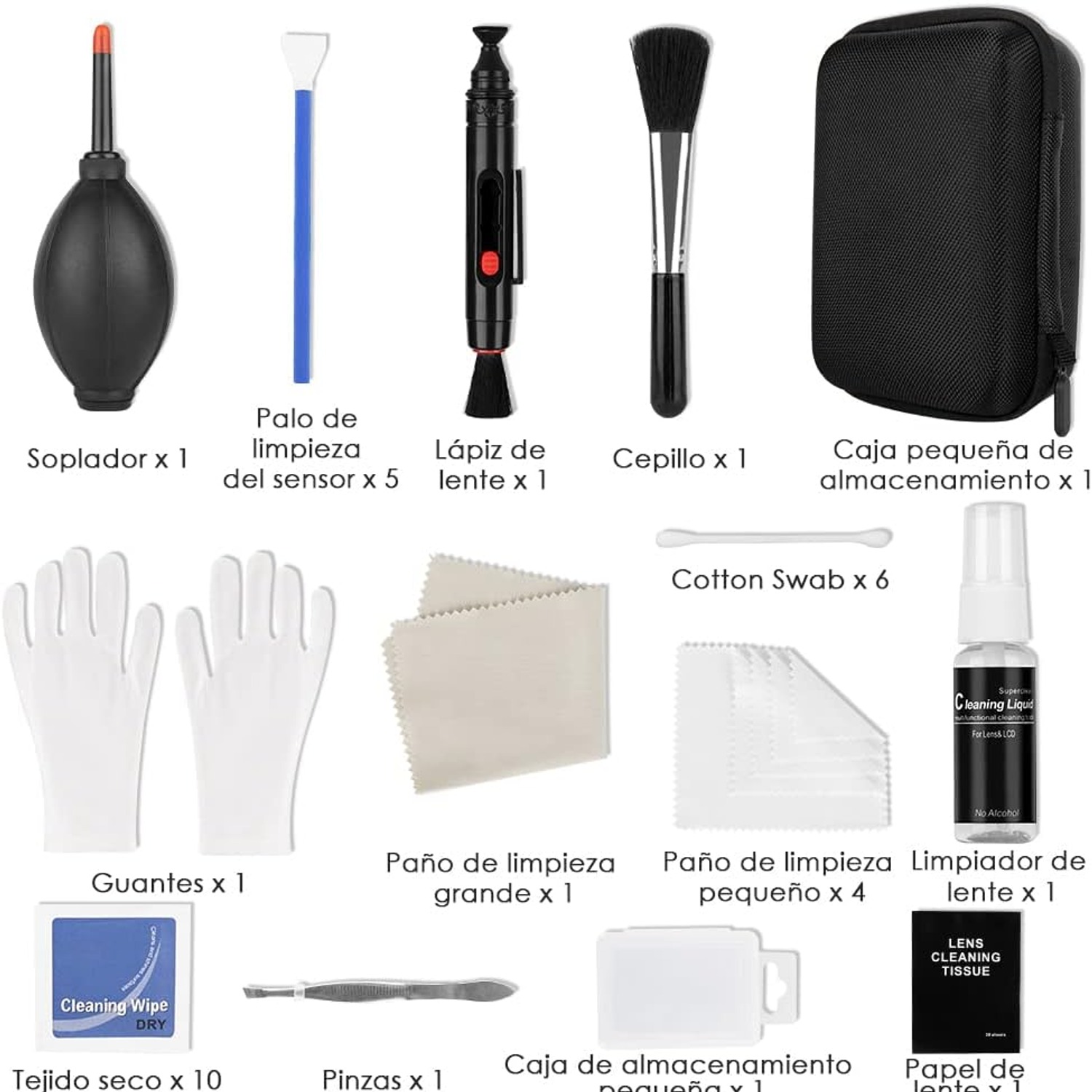
Thirty-five pieces of DSLR cleaning accessories, including microfiber cloths, anti-static gloves, a lens pen, swabs and 100 ml of cleaning solution, all packed in a hard carry case.

A 35 piece camera cleaning kit that covers the whole job, from a dusty lens barrel to a smudged rear screen.

Microfiber cloths and a lens pen take care of fingerprints on optical glass without scratching the coating.

Cleaning swabs and 100 ml of cleaning solution let you work on stubborn marks with controlled, even pressure.

A pair of 25 cm anti-static gloves keeps your fingers off the glass so you are not undoing your own work.

Everything packs back into a hard black case that slips into a camera bag or lives in a drawer at home.

35-Piece Camera Cleaning Kit with Carry Case

Dust is the quiet enemy of good photography. It settles on the front element, works into the gaps around the mode dial and shows up as grey specks on a bright sky at f/11. This 35 piece camera cleaning kit gathers the tools that deal with all of it, so you are not improvising with a shirt sleeve on a trip and hoping for the best.

35-Piece Camera Cleaning Kit with Carry Case

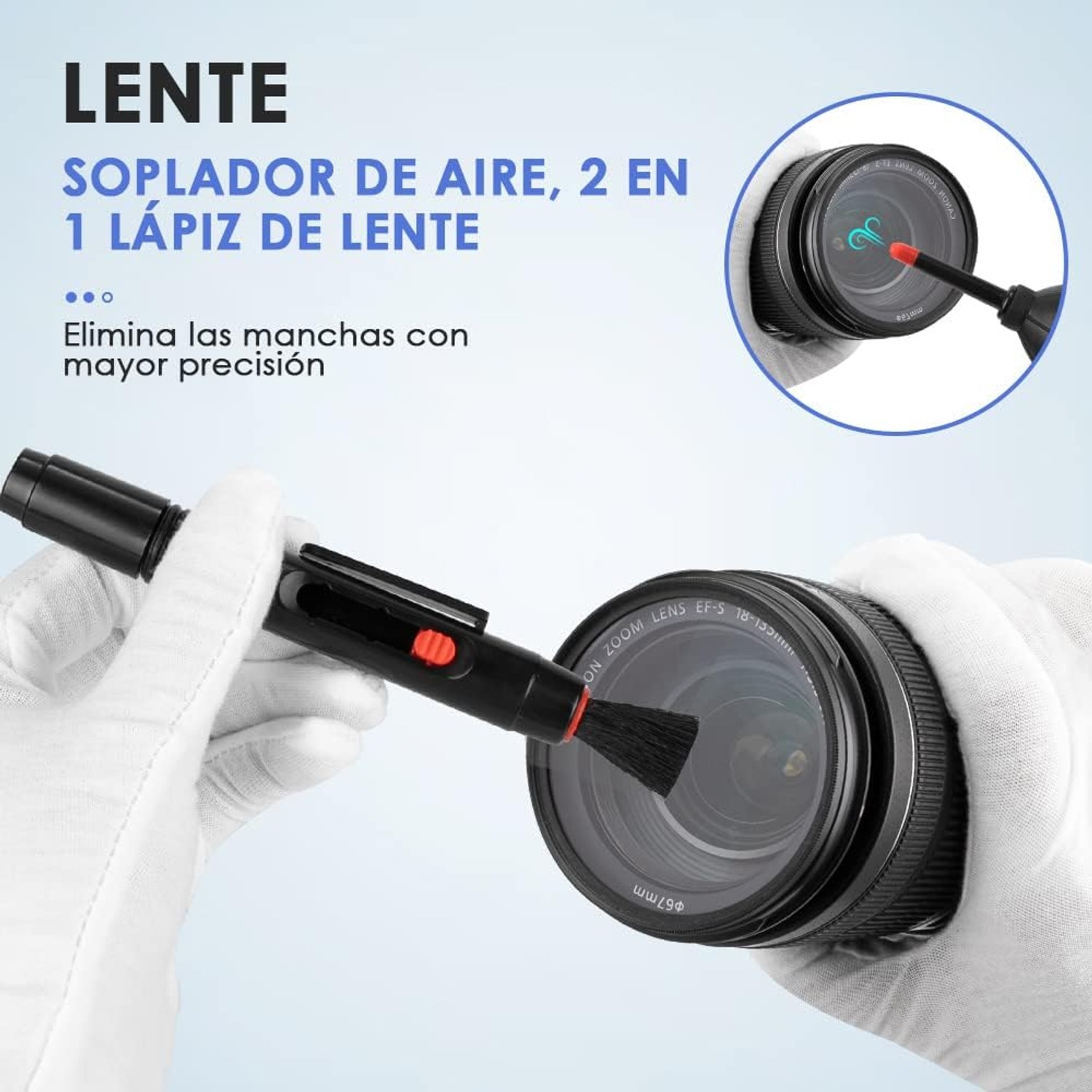
The soft side of the job is handled by microfiber cloths and a lens pen. Microfiber picks up fine dust and oily fingerprints by trapping them in the fibres instead of pushing them around, which is why it leaves glass clear rather than smeared. The lens pen has a carbon tip for pressing out greasy marks in a slow circular motion, which works well on the kind of thumbprint that lands on a front element when you are changing lenses in a hurry.

35-Piece Camera Cleaning Kit with Carry Case

For the body, the kit includes brushes and swabs that reach into the places a cloth cannot. Card slots, battery doors, hinge lines on a flip screen and the ring of the lens mount all collect grit. Working loose dust out of those seams first, before anything wet goes near the camera, is the habit that keeps scratches from happening in the first place.

35-Piece Camera Cleaning Kit with Carry Case

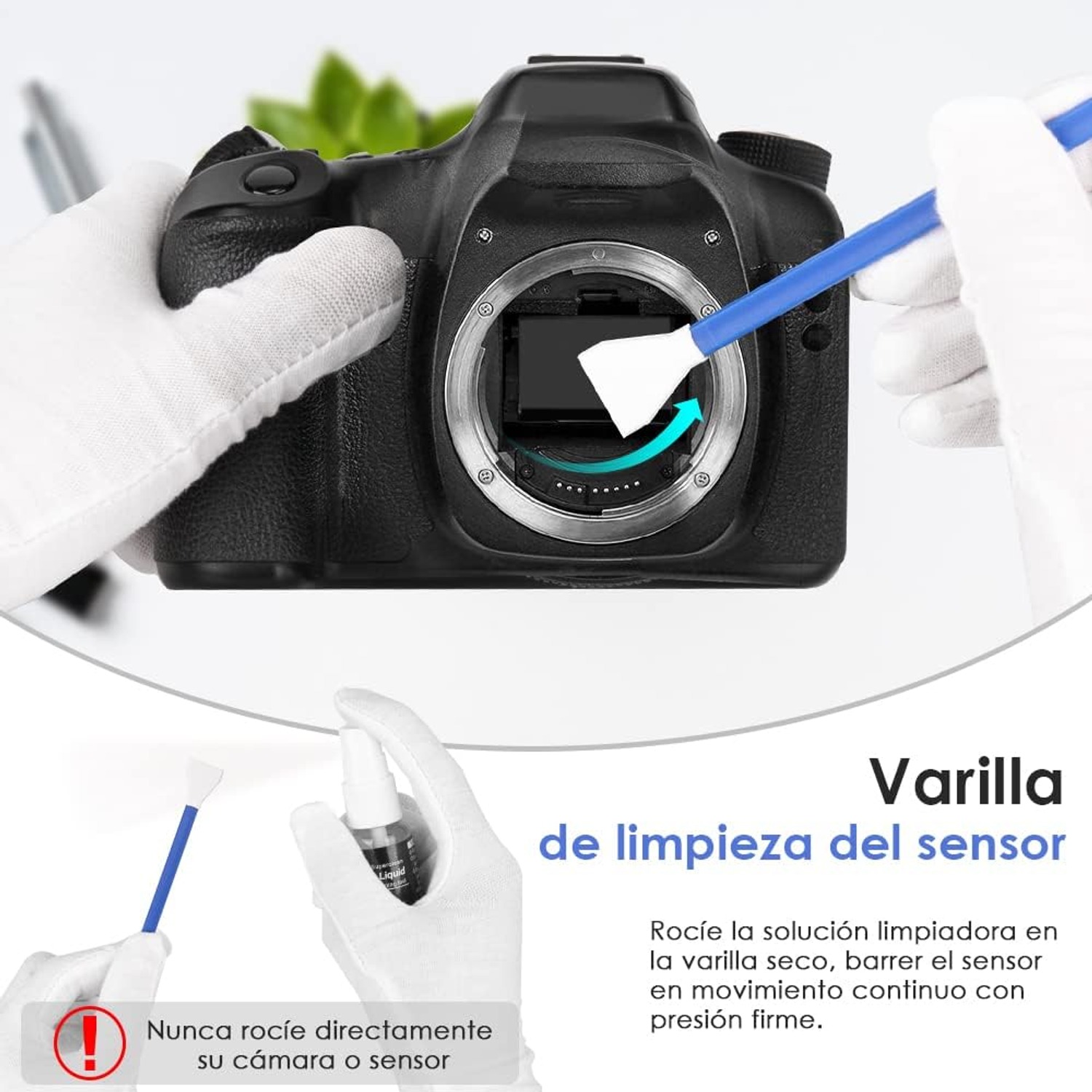
The 100 ml bottle of cleaning solution is there for the marks that dry wiping will not shift. The method is simple. Dampen the swab or cloth rather than spraying the camera, work from the centre outwards, and let the surface air dry for a moment. The anti-static gloves (25 cm long) stop fresh skin oil and dust transferring from your hands while you do it.

35-Piece Camera Cleaning Kit with Carry Case

[object Object]

Not sure yet? That is fine.

A camera has to suit the job you bought it for, and you cannot always judge that from a photograph. If it is not right for you, send it back within 14 days of delivery in resaleable condition and we refund the price you paid, including standard delivery. That is on top of your Australian Consumer Law rights if anything arrives faulty.

If it turns up faulty, damaged or not as described, that is on us. The Australian Consumer Law and the Competition and Consumer Act 2010 covers you, and we pay the return postage. Read the full detail on our refunds and returns page, or ask us anything before you order.

Frequently Asked Questions

What is included in this camera cleaning kit?

The kit holds 35 pieces covering lens, body and screen care. That includes microfiber cloths, a lens pen, brushes, cleaning swabs, a 100 ml bottle of cleaning solution and anti-static gloves. Everything stores inside a hard black carry case.

Will this work with my camera brand?

Yes. These are general optical and body cleaning tools, not brand-specific parts, so they suit Canon, Nikon, Sony, Fujifilm, Panasonic, Olympus and others. The same tools work on both DSLR and mirrorless bodies.

Can I use it on a mirrorless camera?

You can. A mirrorless camera cleaning kit needs the same basics as a DSLR one, since the lens glass, screen and body seams collect the same dust. Mirrorless sensors sit closer to the mount, so take extra care and work slowly when cleaning inside the chamber.

Is it safe for coated lenses?

Microfiber and the lens pen are designed for optical glass, including coated front elements. The important part is removing loose dust with a brush or blower first so you are not dragging a grain across the coating. After that, light pressure and a circular motion is all you need.

How much cleaning solution comes with it?

The bottle holds 100 ml. That is enough for a long run of normal maintenance, because the correct method uses a few drops on a cloth or swab rather than a flood. Never spray liquid directly onto a camera or lens.

What are the gloves for?

The gloves are anti-static and measure 25 cm (about 10 inches). They stop skin oil and loose dust transferring from your fingers to the glass while you work. Wearing them is a small step that saves you re-cleaning the same surface twice.

Does this include a sensor cleaning swab?

The set includes cleaning swabs intended for use with the solution. Sensor work is the most delicate part of any clean, so if you are not confident, stick to blowing dust out and leave wet sensor cleaning to a service centre.

How do I clean a fingerprint off my lens?

Brush or blow off the loose dust first, then use the carbon tip of the lens pen on the mark in a small circular motion. If the smudge is heavy, put a drop of solution on a microfiber cloth and wipe from the centre outwards. Finish with a dry pass of clean microfiber.

Can I use it on my phone and glasses too?

Yes. The same microfiber cloths and solution are fine on phone screens, tablets, laptop displays and spectacle lenses. Many people buy it as a general optical cleaning supplies set rather than just camera gear.

Is the carry case hard or soft?

It is a hard, closed black case. That keeps dirt out and stops the cloths and swabs picking up grit between uses. A clean kit is the whole point, so the case does real work.

What size is the case?

Overall case dimensions are not specified by the maker. The listing notes a spacious interior able to hold all the included accessories together, plus small parts you remove during a clean.

How heavy is the kit?

The product weight is not specified by the maker. As a travel camera cleaning case it is designed to be carried in a camera bag, so it is a light, pack-and-go item rather than a workshop case.

What is the kit made from?

The listed materials are glass and microfiber. The case itself is a hard plastic shell in black. Colour for the set is black.

Does it record audio or have built-in media?

No. Those listing fields both read no. This is a passive cleaning accessory set with no electronics of any kind.

How often should I clean my camera?

A quick dust-off after every shoot takes two minutes and prevents most problems. A fuller clean with solution and swabs once a month is plenty for casual use. If you shoot at the beach, in the desert or in heavy rain, do it the same day you get home.

Can I clean the camera sensor myself?

You can, but it is the step with the most risk. Start with a blower held with the camera facing down so gravity helps. Only move to a wet swab if dust remains visible in test shots, and work in one slow pass per side of the swab.

How do I test for sensor dust?

Set a small aperture like f/16 or f/22, focus to infinity and photograph a plain bright surface such as a white wall or clear sky. Open the image and raise contrast. Dark specks that stay in the same spot across frames are sensor dust.

Will the microfiber cloth scratch my screen?

Clean microfiber is safe on screens. The risk comes from a cloth that has already picked up sand or hard particles, which is why you should shake it out before use and wash it regularly. Replace any cloth that feels gritty.

How do I wash the microfiber cloths?

Wash them in warm water on their own, with little or no detergent and no fabric softener. Softener coats the fibres and ruins their ability to lift dust. Let them air dry rather than tumble drying.

Can I use household glass cleaner instead?

It is not a good idea. Many household cleaners contain ammonia or alcohol blends that can damage lens coatings and screen layers over time. The included camera cleaning solution is formulated for optical surfaces, so use that.

Is this a good first kit for a beginner?

It is a sensible starting point, because it covers the full range of jobs rather than just one. A beginner gets a lens brush, cloths, a pen and solution without having to research each item separately. The case also teaches good habits by keeping everything together.

Does it suit professional use?

It works well as a photography maintenance kit for day-to-day care between jobs. Many professionals still send bodies for a full service once a year. This kit handles everything in between.

Can I take it on a plane?

The tools themselves are fine. The 100 ml bottle of liquid sits at the common carry-on limit for liquids, so check your airline and airport rules before you travel, or pack the bottle in checked luggage.

Is it suitable for binoculars and telescopes?

Yes. Any coated optical glass benefits from the same treatment, so binoculars, spotting scopes, telescope eyepieces and rifle scopes all suit this kit. Use the brush first on larger objective lenses, since they collect more airborne dust.

What is the carbon tip on the lens pen for?

The carbon powder on that tip binds with oily residue, which is what makes it effective on fingerprints where a dry cloth just smears. Press lightly, work in small circles, and retract the tip into its cap after each use so it stays charged.

Do I need an air blower before wiping?

It helps a lot. Blowing loose grit off first means the cloth is only dealing with film and smudges, not dragging hard particles across the glass. That single habit prevents most cleaning scratches.

How is it delivered?

Orders are packed and dispatched to your delivery address with tracking provided once the parcel is on its way. Delivery times vary by destination. You will get the tracking details by email.

What is the returns policy?

If the kit arrives damaged or is not what you expected, contact us and we will sort out a replacement or a refund. Keep the original packaging where you can, since it makes a return easier. Reach out as soon as you notice a problem.

Does it make a good gift for a photographer?

It does. Cameras are personal, but cleaning gear is universal, so you can buy it without knowing someone's brand or lens collection. The hard case presents well and it is a gift that actually gets used.

What if the kit is not right for me?

Get in touch and tell us what did not suit. If a piece is missing or faulty we will replace it, and if the kit simply is not what you needed we will talk you through your return options. Nobody should be stuck with gear that sits unused.

The Complete Guide to Cleaning Your Camera and Lenses

6 min read Camera Company

The problem nobody warns you about

You buy a camera. You buy a lens. Nobody mentions that both of them are dust magnets, and that within a few months the front element will carry a faint haze you only notice when you shoot into the light. Flare gets worse. Contrast drops. Fine detail softens in a way that is hard to put your finger on, but it is there in every frame.

Then there is the other kind of dust, the sort that works its way past the mount and lands on the sensor. Those are the dark specks that appear in the same place in every photo of a blue sky. You can clone them out one at a time in editing, but on a wedding or a travel set that is hours of work for a problem that takes two minutes to fix at source.

A camera cleaning kit is not a luxury accessory. It is basic maintenance, the same way a bike needs chain oil. A 35 piece set gives you the right tool for each surface, which matters because the technique that works on a plastic body would be wrong on a coated front element.

What is actually in a 35 piece kit

A set this size is not padding. Each group of items handles a different surface.

Microfiber cloths do most of the work. The fibres are split so fine that they trap dust and oil rather than pushing it around, which is why a microfiber lens cloth leaves glass clear where a cotton shirt leaves a smear. Keep more than one on the go: a dry cloth for the final pass and a damp one for the first.

Brushes and a blower handle loose material. Before anything touches the glass, you want the grit gone. A camera lens brush sweeps the barrel, the mount ring and the filter thread. Air moves dust out of the gaps around buttons and dials where a cloth cannot reach.

The lens pen deals with grease. One end is a brush, the other is a carbon tip that binds with the oil in a fingerprint. This is the tool people are usually missing, and it is the one that solves the most annoying problem.

Cleaning swabs and the 100 ml bottle of solution cover the stubborn cases. Swabs are made to be used once and thrown away, because a reused swab carries whatever it picked up last time.

The anti-static gloves (25 cm long) are easy to dismiss, but they stop the slow cycle of cleaning the lens and re-marking it with your thumb five seconds later.

Finally, the hard case. A cleaning kit stored loose in the bottom of a camera bag becomes dirty, and a dirty cloth is worse than no cloth. The closed black case keeps everything sealed and has room for small parts you take off during a clean, like a lens cap or a hot shoe cover that would otherwise roll under the sofa.

How to clean a lens properly

Work in this order and you will not scratch anything.

Start dry. Use air or the brush to get loose dust off the front element and out of the filter thread. This is the step people skip, and skipping it is how scratches happen, because a hard particle under a cloth acts like sandpaper.

Next, assess the glass. If it is only dusty, you are done. A dry microfiber pass is enough. If there are fingerprints or a greasy film, move to the lens pen and work in small circles from the middle outwards.

If the mark is still there, now bring in liquid. Put two or three drops of solution on a cloth or swab, never on the lens itself. Spraying a lens risks liquid running down the barrel and into the focus mechanism, which is a repair bill rather than a clean. Wipe gently from the centre out, then finish with a dry microfiber cloth before the solution evaporates and leaves a ring.

Do the rear element the same way, but be quicker about it. The less time the lens spends off the body, the less dust gets inside.

The camera body and screen

The body is more forgiving than the glass, but it has more hiding places. Seams around the mode dial, the hinge of a flip screen, the card door, the battery compartment and the rubber flaps over the ports all collect lint and sand.

Brush these out with the body facing down so gravity carries the debris away rather than deeper in. Then wipe the flat surfaces with a slightly damp cloth, and dry them.

Screens need the same approach as lenses, just with less force. A rear display and an electronic viewfinder both have coatings that react badly to harsh chemicals, which is why a dedicated screen cleaning kit for cameras uses mild solution and soft cloth, not household spray.

One warning worth repeating. Ammonia-based glass cleaner, alcohol wipes meant for surfaces and anything described as a degreaser have no place near your gear. They can strip coatings, and once a coating is gone it does not come back.

Sensor dust, and when to stop

Sensor cleaning is where confidence and caution need to meet.

Test first. Set the aperture to f/16 or smaller, focus to infinity and photograph a plain white wall or a clear patch of sky. Pull the file up and push the contrast hard. Specks that appear in the same spot in every frame are on the sensor, not in the air.

Try air first. Lock the mirror up or use the camera's cleaning mode, hold the body face down and give it a few gentle puffs with a blower. Never use compressed air cans, because the propellant can spit liquid onto the sensor.

If a mark survives that, a damp swab is the next step. One pass each way, light pressure, fresh swab. If you are nervous, this is the point to stop and book a professional clean. There is no shame in it, and a service costs far less than a sensor replacement.

Who this kit suits

Hobbyists who shoot outdoors get the most obvious benefit. Beaches, bushwalks and sports fields all throw grit at your gear.

Travel photographers need the case more than anyone, since hotel rooms and airport lounges are where cleaning actually happens.

Parents and event shooters deal with fingerprints constantly, because cameras get handed around, and the lens pen earns its place in a weekend.

Anyone with glasses, binoculars, a telescope, a phone screen or a laptop display can use the same tools. Calling it the best camera cleaning kit undersells it slightly. It is a general optical cleaning set that happens to be sized for photography.

Looking after the kit itself

Shake cloths out before use so any trapped grit falls away. Wash them in warm water on their own, with no fabric softener, because softener coats the fibres and kills the thing that makes microfiber work. Air dry them rather than tumble drying.

Throw swabs away after one use. Store the solution upright and out of the sun. Keep the lens pen capped so the carbon tip stays charged, and close the case when you are finished.

Replace a cloth if it ever feels rough. One gritty cloth can undo a lot of careful work.

The short version

Dust is constant, and it quietly costs you image quality long before it becomes obvious. This 35 piece camera cleaning kit covers every surface on a camera, from the front element to the card slot, with a hard case that keeps the tools clean between jobs. Brush and blow first, use the lens pen for fingerprints, bring in the solution only when dry methods fail, and know when to hand sensor work to a technician. Do that and your gear will keep producing the images you paid for.

Browse the shop

Not sure where to start?

Tell us what camera you shoot with and we will point you to the right tool in the kit for the job.

Ask us a question

Page summary

The AutoWT 35-piece camera cleaning kit is a maintenance set for DSLR, mirrorless and compact cameras, lenses, phone screens, computer screens and glasses. It includes microfiber cloths, a lens pen, brushes, cleaning swabs, 100 ml of cleaning solution and a pair of 25 cm anti-static gloves, all stored in a hard black carry case with internal space for small parts. Listed materials are glass and microfiber. Colour is black. Country of origin is China. The kit records no audio and contains no built-in media. Product weight, overall case dimensions, GTIN and MPN are not specified by the maker. Condition is new and the item is in stock.