Camera Company
Company
Shop By Category
T&Cs
Shop Online
  • The maker's specifications on every page
  • Free tracked Australia-wide delivery over $150
  • 14-day returns

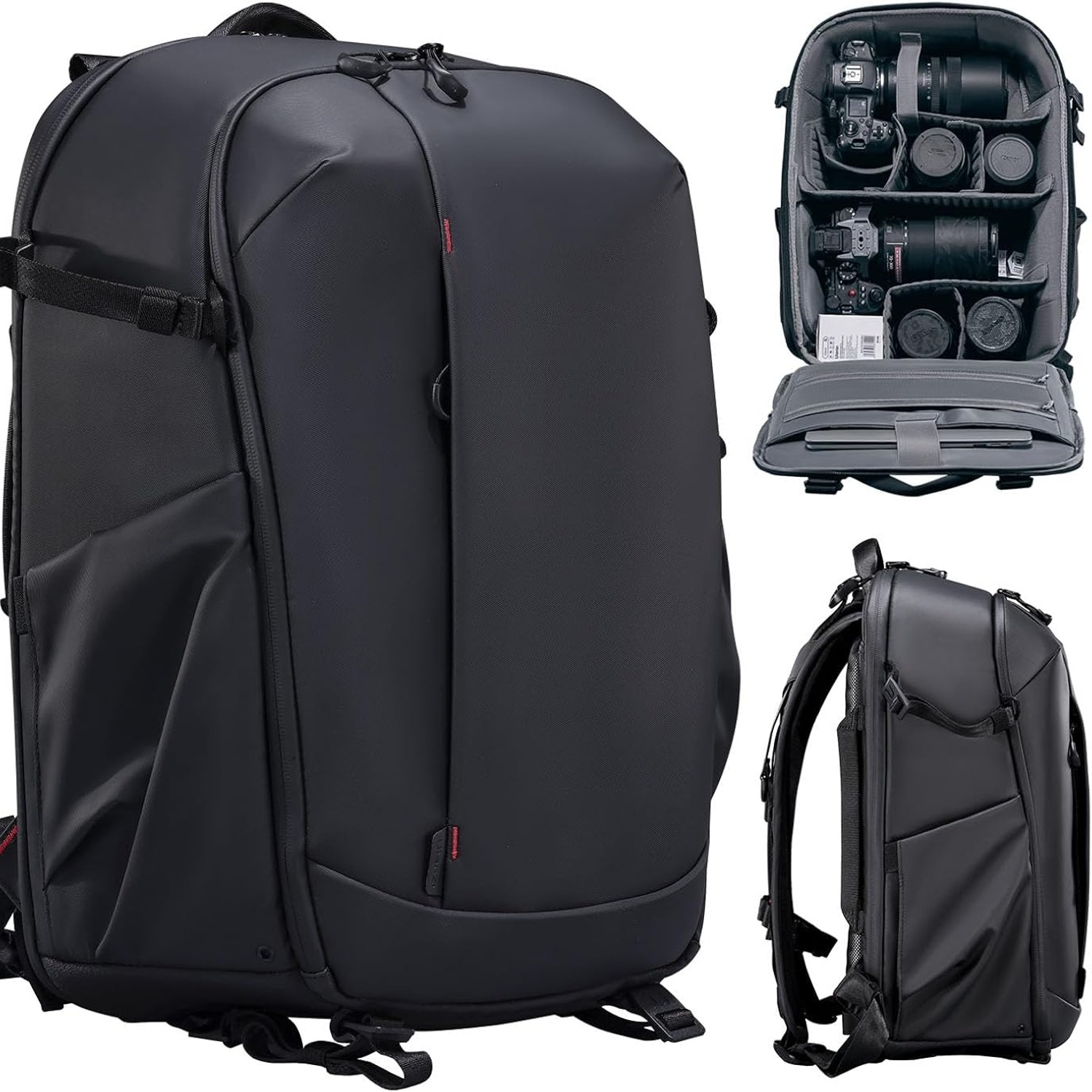
Hardshell Camera Backpack | Splash proof camera bag | Professional photography backpack

Hardshell Camera Backpack

$319.99 $383.99 Save $64
  • Hardshell Protection
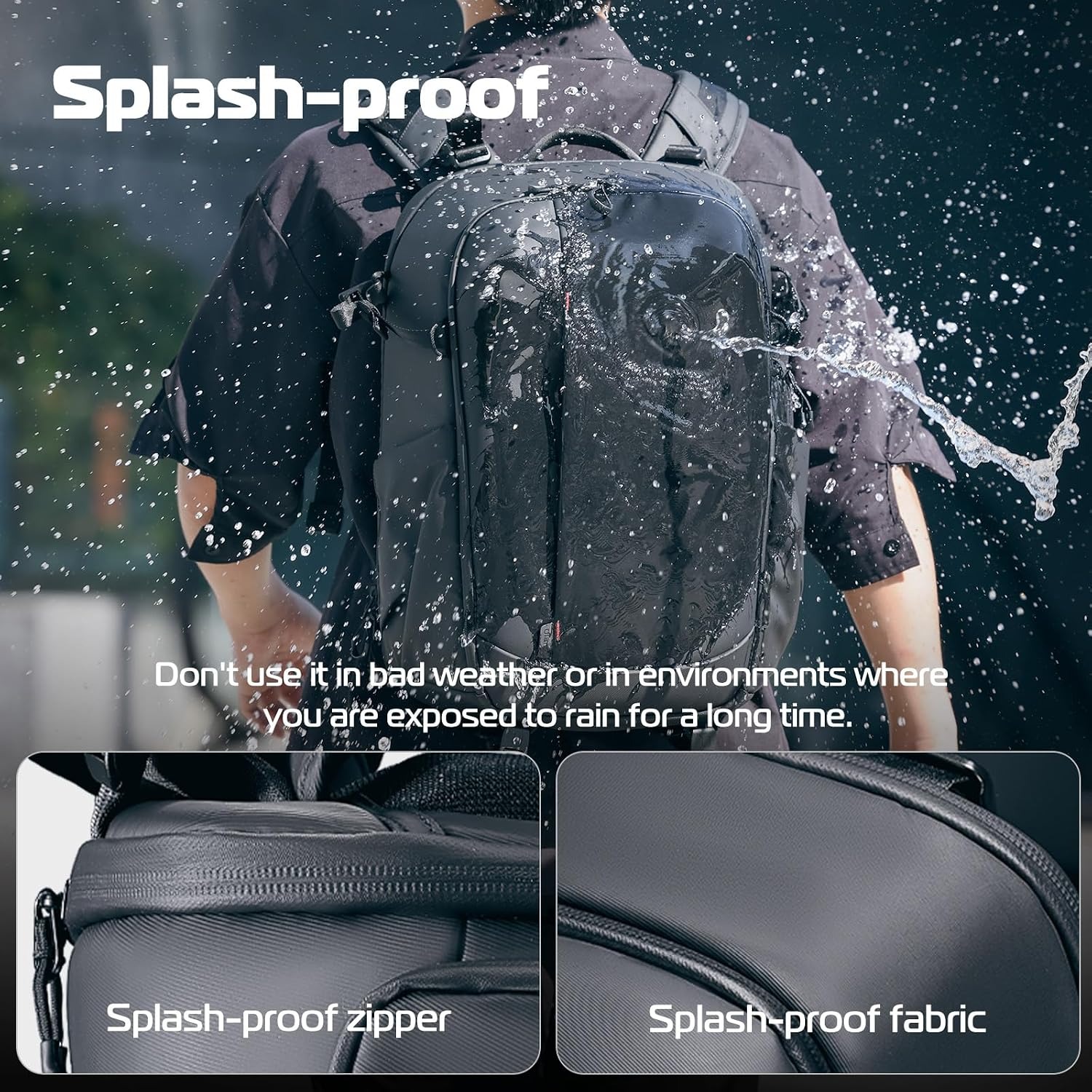
  • Splash Resistant Surface
  • Laptop Ready
  • Bottom Tripod Strap

Price: $319.99 $383.99

  • Free tracked Australia-wide delivery on orders $150+, otherwise a flat $15
  • Pay by card or PayPal, handled by the payment provider
  • 14 days to change your mind, plus your statutory rights
Product specifications
BrandULANZI
Item Model Number/
TypeHardshell camera backpack
Laptop CompartmentFits up to 15.6 inch laptop or tablet
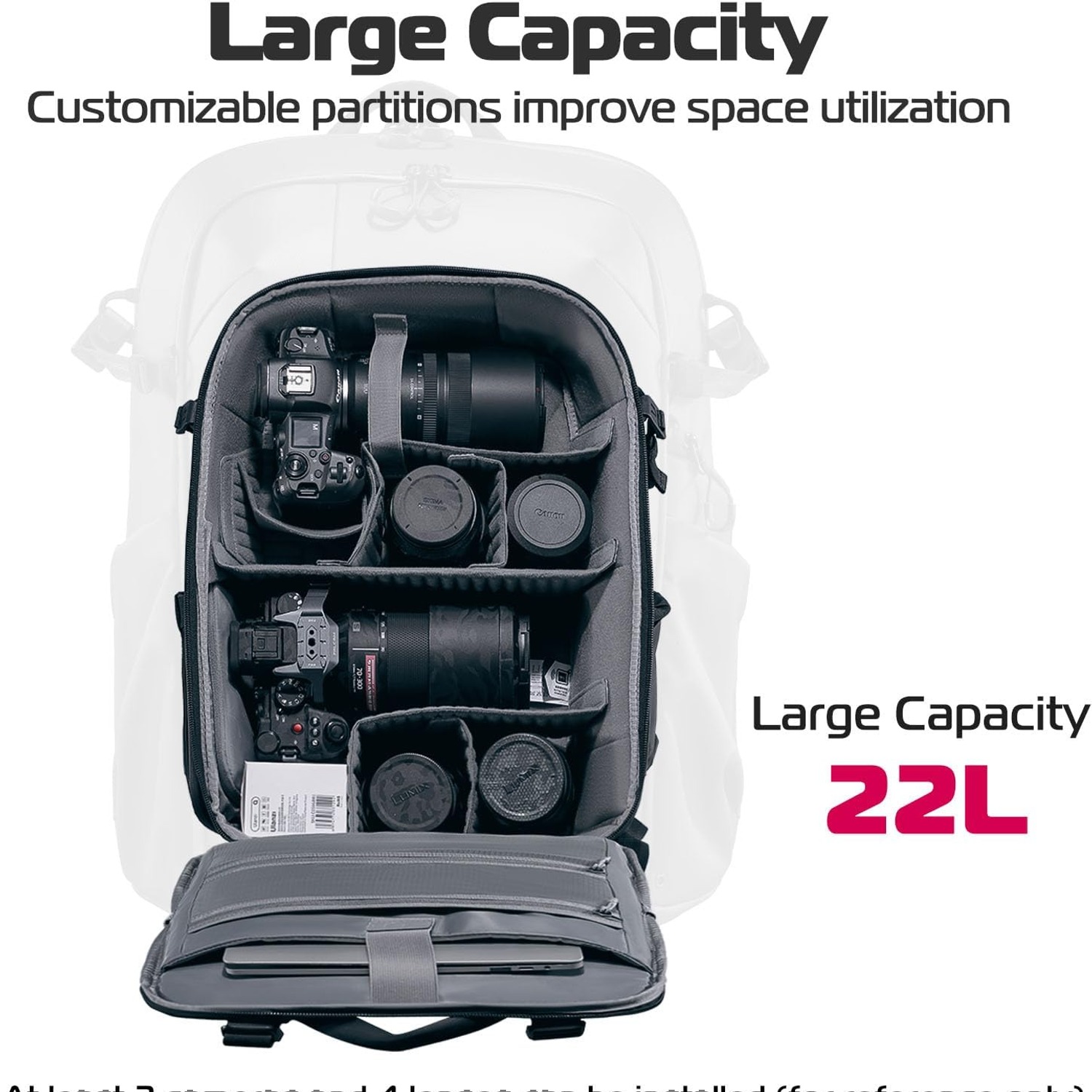
Maximum Capacity22 L
External Dimensions440 x 175 x 340 mm
Weight1.726 kg
InteriorRemovable padded dividers, mesh pockets, inner bag
AccessSide zip quick access plus main opening
Tripod CarryBottom strap for tripod or monopod
Outer SurfaceWaterproof and rainproof material
Care InstructionsHand Wash Only
Country Of OriginChina
Shipping & returns

Tracked delivery anywhere in Australia. It is free on orders of $150 or more, and a flat $15 below that.

If it is not right for you, send it back within 14 days of delivery in resaleable condition and we refund the price you paid, including standard delivery. That is a voluntary policy we offer on top of your legal rights. You cover the cost of returning it unless the item is faulty.

If it arrives faulty, damaged or not as described, we put it right at no cost to you under the Australian Consumer Law and the Competition and Consumer Act 2010, return postage included.

Shipping details · Refunds and returns

Hardshell ProtectionA structured outer shell helps the bag hold its shape and guard lenses from knocks.
Splash Resistant SurfaceThe outer material is made to shrug off rain and spray on the move.
Laptop ReadyFits a 15.6 inch laptop or a tablet in the dedicated inner sleeve.
Bottom Tripod StrapCarry a tripod or monopod underneath without upsetting your balance.

Carry your kit with confidence in a hardshell camera backpack built for real shooting days, not just the drive to the studio.

A padded, divider-based interior, side quick access, a bottom tripod strap and a laptop sleeve work together so your gear stays organised, protected and easy to reach.

A hardshell camera backpack that keeps bodies, lenses and accessories safe while you move between locations.

The outer surface is made from waterproof, rainproof material, so a sudden shower is not a reason to stop shooting.

Inside, thick removable dividers let you build the layout around your own kit instead of forcing you into a fixed grid.

A side zip opening gives you quick access to the main camera without taking the pack off your back completely.

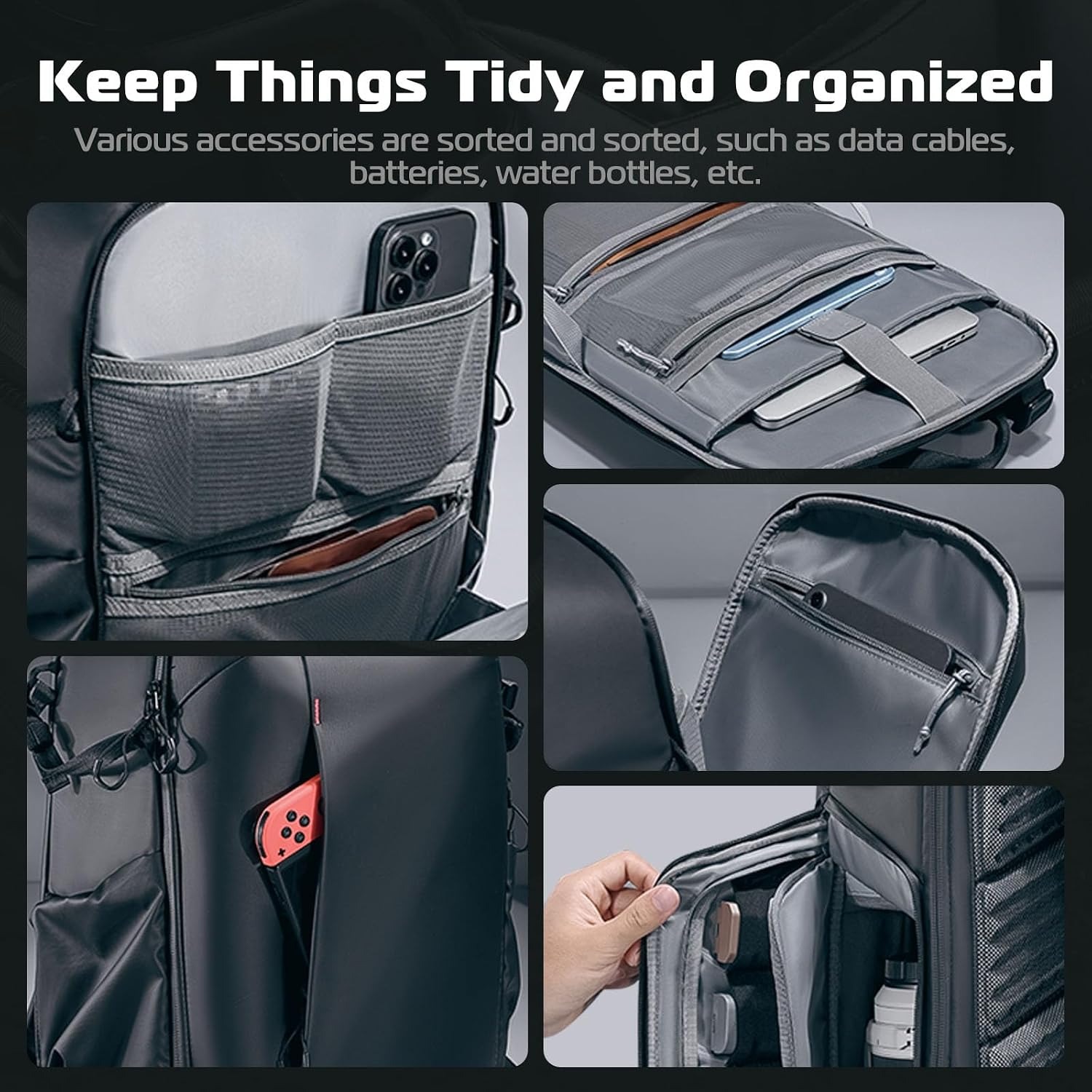
A 15.6 inch laptop sleeve, mesh pockets and a front accessory pocket keep the small stuff from rattling around loose.

Hardshell Camera Backpack

Camera gear is expensive, awkwardly shaped and easy to damage. A soft shoulder bag works fine for one body and a lens, but the moment you add a second lens, a laptop and a tripod, you want something with structure. This hardshell camera backpack is built around that problem. The outer shell holds its shape so the weight of the bag sits on the frame rather than on the glass inside, and the padded interior stops things knocking into each other while you walk.

Hardshell Camera Backpack

The inside is the part most photographers care about. Thick dividers can be moved or pulled out entirely, so you decide where the body sits and how the lenses line up. The listed capacity is enough for at least two long lens cameras plus four additional long lenses when the space is set up for it, and you can open it right back out into a simpler layout if you only carry one body and a couple of primes. There is also a dedicated inner bag and several small mesh pockets for cards, batteries, filters and cables.

Hardshell Camera Backpack

Access matters as much as capacity. A side zip opening lets you swing the pack around on one shoulder and pull the camera out without putting the whole thing on the ground. That is the difference between catching a moment and watching it pass. The front of the pack has its own zippered pocket for the accessories you grab constantly, and the main opening gives you the full view when you are packing or repacking at the car.

Hardshell Camera Backpack

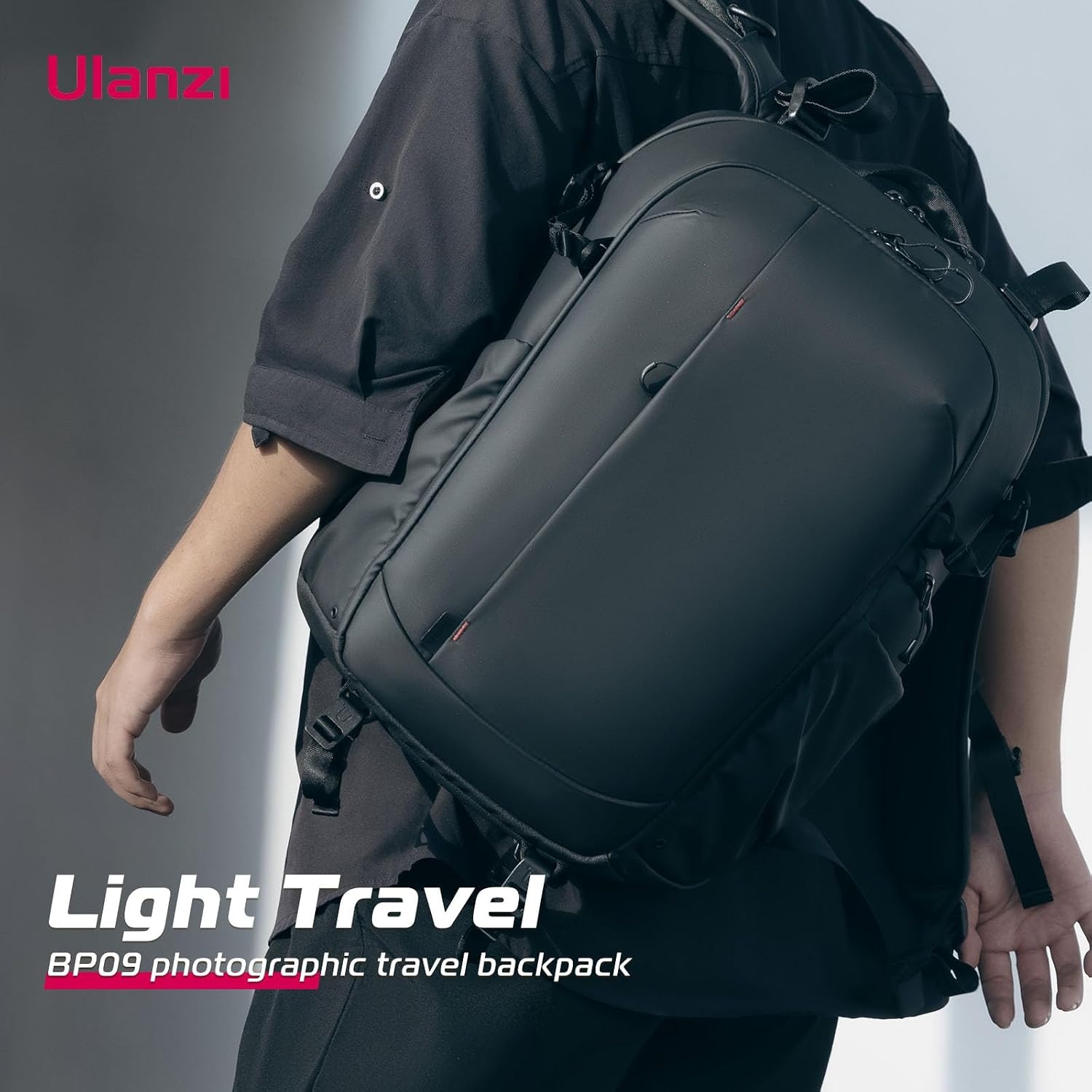
Travel is where the design shows its intent. External dimensions are 440 x 175 x 340 mm with a maximum capacity of 22 L, and the whole bag weighs 1.726 kg empty, which keeps it manageable as a carry on sized pack for most trips. The bottom strap takes a tripod or monopod and keeps that weight low and centred, so the load does not drag you backwards on a long walk. The back panel is ventilated and the shoulder straps adjust easily, which helps when the bag is fully loaded.

Hardshell Camera Backpack

Weather is the other constant worry. The surface material is waterproof and rainproof, so light rain, sea spray and a knocked over water bottle are not a crisis. Care is simple. Hand wash only, wipe the shell with a damp cloth, and let it dry open before you pack gear back in. Treated sensibly, a pack like this tends to outlast several camera bodies.

Not sure yet? That is fine.

A camera has to suit the job you bought it for, and you cannot always judge that from a photograph. If it is not right for you, send it back within 14 days of delivery in resaleable condition and we refund the price you paid, including standard delivery. That is on top of your Australian Consumer Law rights if anything arrives faulty.

If it turns up faulty, damaged or not as described, that is on us. The Australian Consumer Law and the Competition and Consumer Act 2010 covers you, and we pay the return postage. Read the full detail on our refunds and returns page, or ask us anything before you order.

Frequently Asked Questions

What is this product?

It is a hardshell camera backpack designed to carry camera bodies, lenses, a laptop and accessories in one padded pack. The outer surface is waterproof and rainproof, and the interior uses removable dividers so you can shape the space around your own gear. It is made by ULANZI.

How much gear does it hold?

The maximum capacity is 22 L. Set up for photography, it can take at least two long lens cameras plus four additional long lenses, along with smaller accessories in the mesh pockets. Exactly how much you fit depends on how you arrange the dividers.

What are the external dimensions?

The pack measures 440 x 175 x 340 mm. That is a compact footprint for a 22 L bag, which is part of why it suits travel. Check your airline's carry on rules if you plan to take it in the cabin.

How heavy is the empty bag?

It weighs 1.726 kg empty. That is a reasonable figure for a structured pack with a laptop sleeve and padded dividers. Your loaded weight will depend entirely on the kit you add.

Will it fit a 15.6 inch laptop?

Yes. There is a dedicated inner sleeve that takes a 15.6 inch laptop or a tablet. Many photographers use the space for a tablet and keep the rest for gear.

Is it actually waterproof?

The surface material is described as waterproof and rainproof, which makes the pack weatherproof against rain and spray. Treat it as a splash proof camera bag rather than a submersible dry bag. Dry it fully before storing gear inside.

Can I carry a tripod with it?

Yes. There is a strap on the bottom for mounting a tripod or monopod. Carrying it low keeps the centre of gravity steady and spreads the weight, which is more comfortable over a long walk than a side mounted tripod.

How do I get the camera out quickly?

Use the side zipper opening. You can swing the pack to one side, unzip and lift the camera out without taking the whole bag off and setting it on the ground. It is a useful feature when you are shooting on the move.

Are the dividers removable?

Yes, the thick dividers can be repositioned or taken out entirely. That means you can build a tight grid for lots of lenses, or clear the space for a single body and some travel gear. Most people adjust the layout a few times before settling on one.

Does it suit mirrorless as well as DSLR?

It does. The divider system adapts to both, and a mirrorless kit simply leaves you with more spare room. If you want the best camera backpack for travel with a small mirrorless body, you will likely use the extra space for clothes or a drone.

Is this good for hiking?

It has a ventilated back and adjustable shoulder straps, which help when the bag is fully loaded. For a day hike with a camera kit it works well. For multi day trekking you would normally want a dedicated hiking pack with a hip belt.

What colour is it?

The colour is not specified by the maker. If colour matters to you, check the product images on this page before ordering.

What material is the bag made from?

The specific fabric is not stated by the maker beyond the outer surface being a waterproof, rainproof material. The interior uses padded dividers and mesh pockets.

Where is it made?

The country of origin is China.

What is the model number?

The item model number is listed as "/" by the supplier, which means no distinct model code was provided in the maker's details.

Can I use it as a regular daypack?

Yes. Pull out most of the dividers and you have a 22 L backpack with a laptop sleeve and a weather resistant shell. Plenty of people use a padded camera backpack this way on days they are not shooting.

Will it fit under an airline seat?

At 440 x 175 x 340 mm it is a compact pack, but under seat space varies a lot by airline and aircraft. Measure against your carrier's stated allowance before you fly. It is usually easier to treat it as an overhead or personal item depending on the route.

How do I clean it?

Hand wash only. Wipe the outer shell with a damp cloth and a little mild soap, rinse the cloth and wipe again, then let it air dry completely. Do not machine wash, bleach, tumble dry or iron it.

What do I do if it gets soaked?

Take everything out, open all compartments and let it dry naturally away from direct heat. Avoid radiators and hair dryers, which can damage coatings and stitching. Make sure the interior padding is dry before you put gear back.

Can I store my camera in it long term?

It is fine for short term storage, but for long periods it is better to keep cameras in a dry, ventilated place with a desiccant. Any closed bag can trap moisture. Leave the zips slightly open if you do store gear inside for a while.

Does it have a rain cover?

No separate rain cover is mentioned in the maker's details. The protection comes from the waterproof and rainproof outer surface itself. If you shoot in heavy rain often, a generic pack cover is a cheap addition.

Is there space for a drone?

There is no drone specific compartment listed, but with the dividers rearranged, a compact folding drone and its controller usually fit in the main space. You will need to test the fit with your own model.

How many pockets does it have?

There is a dedicated inner bag, multiple small mesh pockets inside, and a zippered pocket on the front for accessories. That covers batteries, memory cards, filters, cables and the usual small items.

Will it hold a 70-200mm lens attached to a body?

The interior is described as taking long lens cameras, so an attached long zoom is the kind of load it is built for. Set the dividers vertically to make a tall channel. Measure your exact combination against the 340 mm internal height allowance to be sure.

Is it comfortable when fully loaded?

The ventilated back panel and the sturdy, easily adjusted shoulder straps are there for exactly that. Keeping the heaviest items closest to your back makes a noticeable difference. A tripod carried on the bottom strap also helps keep the load balanced.

Who is this bag best for?

It suits photographers who travel with more than one lens and want a weatherproof camera bag that also carries a laptop. Event shooters, travel photographers and keen hobbyists all get good use from this layout. If you only ever carry one small camera, it is more bag than you need.

How long does delivery take?

Delivery times depend on your country and address. You will see the current estimate at checkout, and a tracking link follows once the order ships. Remote addresses can take a little longer.

What is the returns policy?

You can return the backpack in line with our standard returns policy if it is unused and in its original condition. Contact us first so we can give you the correct return address and process the refund quickly. Keep the packaging until you are sure you are keeping it.

Does it make a good gift?

It does. A camera backpack with a laptop compartment is a practical gift for anyone who shoots regularly, and the adjustable interior means it suits whatever kit they already own. If you are unsure about size, the 22 L capacity is a safe middle ground.

What if it is not right for me?

Try it at home first. Load your actual kit, wear it around the house and see whether the layout and fit work for you. If it is not right, contact us while it is still unused and in original condition and we will sort out a return or exchange under our standard policy.

How to Choose a Hardshell Camera Backpack That Actually Fits Your Kit

6 min read Camera Company

The problem with carrying camera gear

Anyone who has walked a city for six hours with a camera knows the two failures. The first is a shoulder bag that digs in and swings into your hip every time you turn. The second is a cheap backpack where everything slides into one pile at the bottom, and you end up kneeling on a footpath digging for a lens cap while the light changes.

Camera kit is heavy, oddly shaped and fragile in specific ways. Glass hates impact. Sensors hate dust. Laptops hate being crushed. A general purpose backpack treats all of that as one lump of cargo. A hardshell camera backpack treats each piece as something that needs its own space and its own protection.

That is the whole idea behind this pack. The shell holds its shape so the weight of the bag and anything pressed against it does not land on your lenses. Inside, the space is divided and padded so each item has a home. The result is less worry and faster shooting.

How a hardshell pack actually protects your gear

There are two kinds of protection going on, and it helps to understand both.

The first is structural. A soft bag collapses around whatever is inside it. If someone leans a suitcase against it on a train, that force goes straight through to your gear. A structured shell spreads that load across the panel instead. It also means the bag stands up on its own when you open it, which sounds minor until you are packing on wet grass.

The second is impact absorption. The dividers inside are thick and padded, and they sit between your body and each lens. When the bag is set up properly, nothing metal touches anything else. The dividers also stop items shifting while you walk, which is where a lot of slow, invisible wear comes from.

Then there is weather. The outer surface of this pack is made from waterproof, rainproof material, so rain, spray and a spilled drink are inconvenient rather than expensive. Think of it as a splash proof camera bag. It will handle a wet walk home. It is not a dive bag, and no backpack is.

Capacity, and what 22 litres really means

The headline number is 22 L maximum capacity in a body measuring 440 x 175 x 340 mm. The empty weight is 1.726 kg.

Numbers on their own are hard to picture, so here is the practical version. Configured for photography, the interior takes at least two long lens cameras plus four more long lenses. That is a serious working kit. Most people will never fill it that way, and that is fine, because the dividers come out.

If you shoot mirrorless with two or three primes, you will use maybe half the space for gear and the rest for a jacket, a water bottle and a sandwich. If you are a wedding or event shooter, you will pack it dense and use every slot. The same bag does both jobs because you control the layout.

A 22 L pack is also a sensible travel size. Big enough to be useful, small enough that it does not become the thing you regret at an airport gate. Always check your specific airline's dimensions, since carry on rules differ more than people expect.

The features that matter day to day

Side access. This is the one photographers notice first. A zip on the side lets you pull the pack around onto one shoulder, unzip and lift the camera out while still standing. No kneeling, no setting the bag in a puddle. Over a long day this saves a surprising amount of time and catches shots you would otherwise lose.

The laptop sleeve. There is a dedicated inner sleeve for a 15.6 inch laptop or a tablet. If you cull and edit on the road, this matters. If you do not, use it for a notebook, documents or a thin layer of clothing. A camera backpack with a laptop compartment tends to become the bag you take everywhere, not just on shoots.

The bottom tripod strap. Tripods are awkward. Strapped to the side of a bag, they pull you sideways all day. Strapped to the bottom, the weight sits low and central, which keeps the load balanced and the bag comfortable. It is a small design choice with a big effect on how the pack feels after an hour.

Pockets. A dedicated inner bag, several mesh pockets and a zippered front pocket. These are for the things that otherwise end up loose: spare batteries, cards, a lens cloth, cables, a remote. Once you have a routine for where each lives, packing gets fast.

Back and straps. The back panel is ventilated and the shoulder straps adjust easily. Both of those are about comfort when the bag is full, which is exactly when comfort stops being a luxury.

Who this suits, and who it does not

This pack makes sense if you carry more than one lens, if you travel with your camera, or if you want one bag that handles both a shoot and a work day. Travel photographers, event shooters, content creators and committed hobbyists all tend to land on a pack this size.

It is less of a fit in two situations. If you own exactly one compact camera and never take a laptop, this is more bag than you need and a small shoulder bag will serve you better. And if you are doing multi day hiking with camping gear, you want a proper trekking pack with a hip belt, and a padded insert inside it for the camera.

Setting it up well

Spend twenty minutes with your actual kit before the first trip. Lay everything out, then build the layout around the three or four things you reach for most.

Put the heaviest item, usually a body with a lens attached, closest to your back. That keeps the load over your spine rather than pulling away from it. Put the item you grab most often directly behind the side zip. Fill gaps with soft items so nothing shifts when you walk.

Then load it, wear it around the house for ten minutes and adjust the straps properly. Most discomfort people blame on a bag is actually a strap set two inches too long.

Looking after it

Care here is simple. Hand wash only. For the outside, a damp cloth and a bit of mild soap handles most dirt. Wipe, rinse the cloth, wipe again and let it air dry fully. Do not put it in a washing machine, do not bleach it, do not tumble dry it and do not iron it, since heat and agitation damage both the coating and the stitching.

Every month or two, empty the bag completely and shake out the dust and grit that collects in the corners. Grit is what scratches gear over time, not the bag itself.

After wet weather, open every compartment and let it dry naturally, away from direct heat. Only pack gear back in once the padding is dry to the touch. If you store the bag for a long stretch, leave the zips slightly open so air can move through.

The short version

This is a structured, weather resistant pack with a 22 L maximum capacity, measuring 440 x 175 x 340 mm and weighing 1.726 kg empty. Inside, removable padded dividers let you build a layout for anything from one mirrorless body to two long lens cameras plus four extra lenses. A 15.6 inch laptop sleeve, mesh pockets and a front accessory pocket handle everything else.

Side zip access gets the camera out fast. The bottom strap carries a tripod without wrecking your balance. The ventilated back and adjustable straps keep it wearable when it is full.

If you have outgrown a shoulder bag and want one pack that protects your gear, carries your laptop and survives a wet walk, this is the kind of bag that solves the problem and then stops being something you think about.

Browse the shop

Still deciding?

Tell us what body and lenses you carry and we will help you work out whether this layout suits your kit.

Ask us a question

Page summary

The ULANZI hardshell camera backpack is a structured photography pack with a waterproof and rainproof outer surface, a ventilated back panel and adjustable shoulder straps. External dimensions are 440 x 175 x 340 mm, maximum capacity is 22 L, and it weighs 1.726 kg. The interior uses thick removable dividers and can hold at least two long lens cameras plus four additional long lenses, along with a dedicated inner bag and multiple mesh pockets. A sleeve takes a 15.6 inch laptop or tablet. A side zip gives quick camera access, the front has a zippered accessory pocket, and a bottom strap carries a tripod or monopod. Country of origin is China. Care is hand wash only. Colour and material are not specified by the maker.